
Wherever ordinary materials won't do, there's an engineering thermoplastic that will.
Energy storage, robotics, electrification and more. When an application demands high performance, lightweighting or contact with electricity and chemicals, our materials solve problems metals and commodity plastics can't.
Hard problems, tight standards, small margins for error.
Some applications sit outside the high-volume markets but carry the toughest requirements: fire-smoke-toxicity standards on trains, weight and flammability limits in aircraft interiors, drinking-water and chemical-contact rules in water systems.
Engineering thermoplastics meet those standards while taking out weight and cost. Flame retardant polycarbonate meets rail and building fire codes. Tough, chemically resistant grades handle water and fluid contact. Weatherable and impact grades take equipment outdoors and offshore.
Where our materials work across other industries

Energy storage
Interior panels, glazing and components meeting required fire resistance or other standards.
Explore
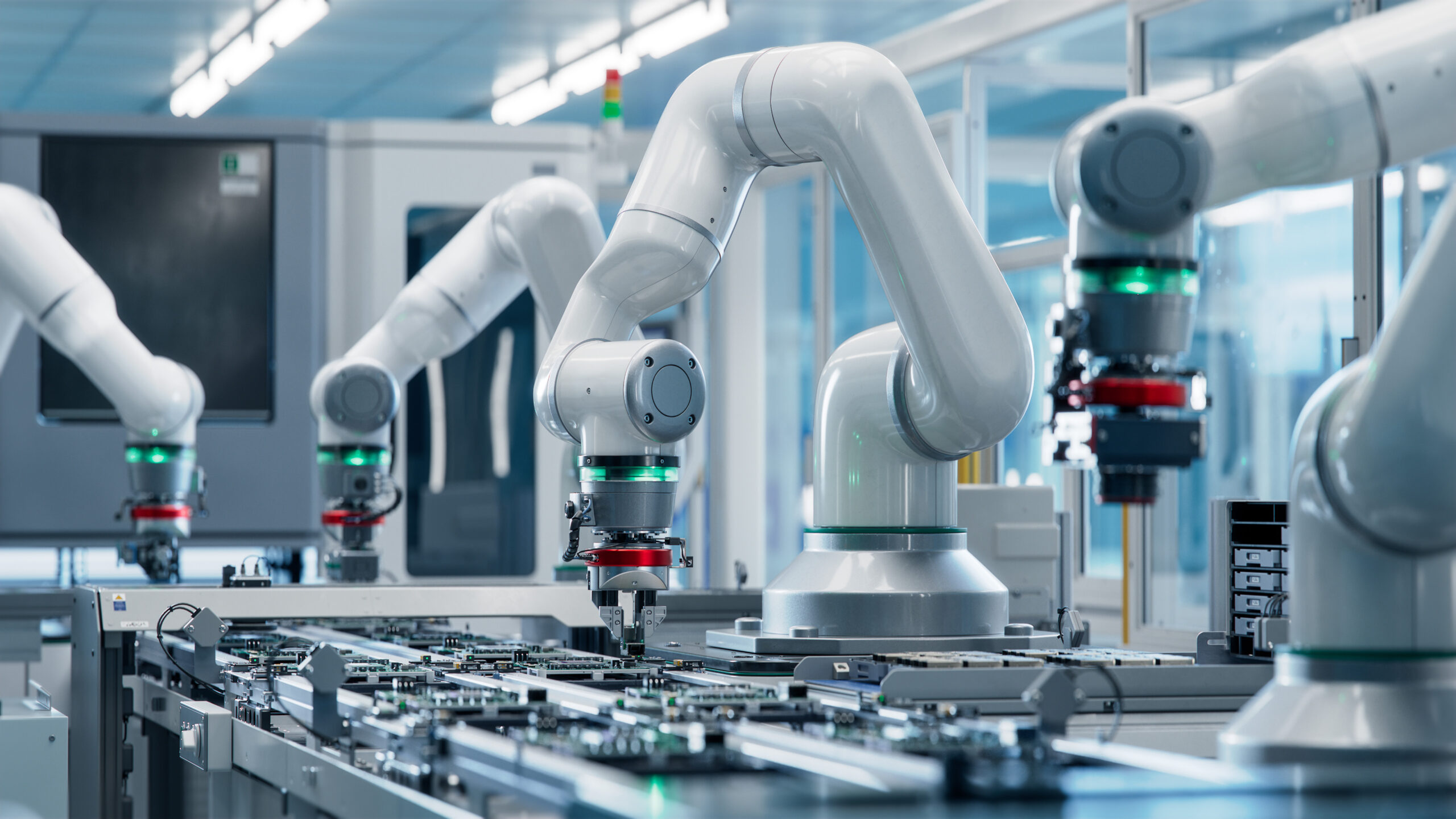
Robotics
Interior and exterior components where high impact, low weight and performance matter.
Explore
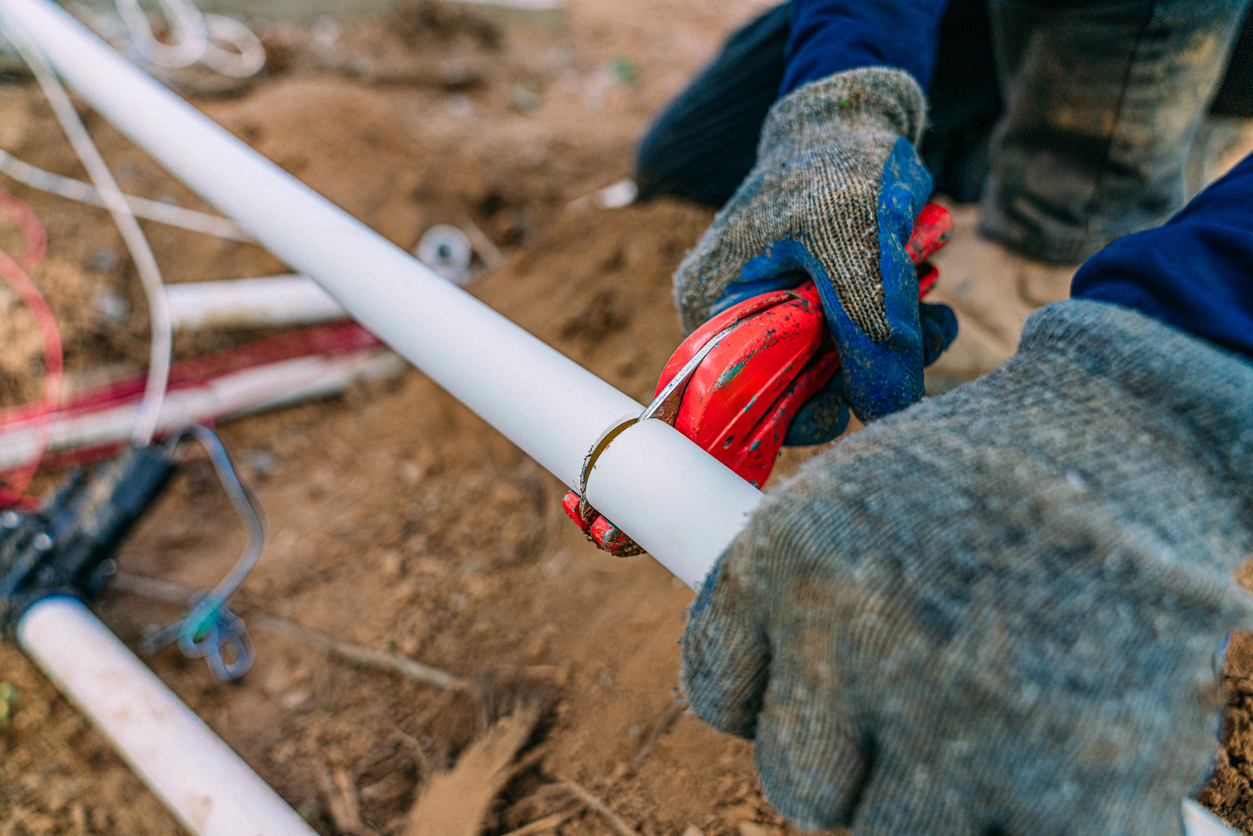
Water management
Meter housings, valves, filtration and fittings for water and fluid contact.
Explore
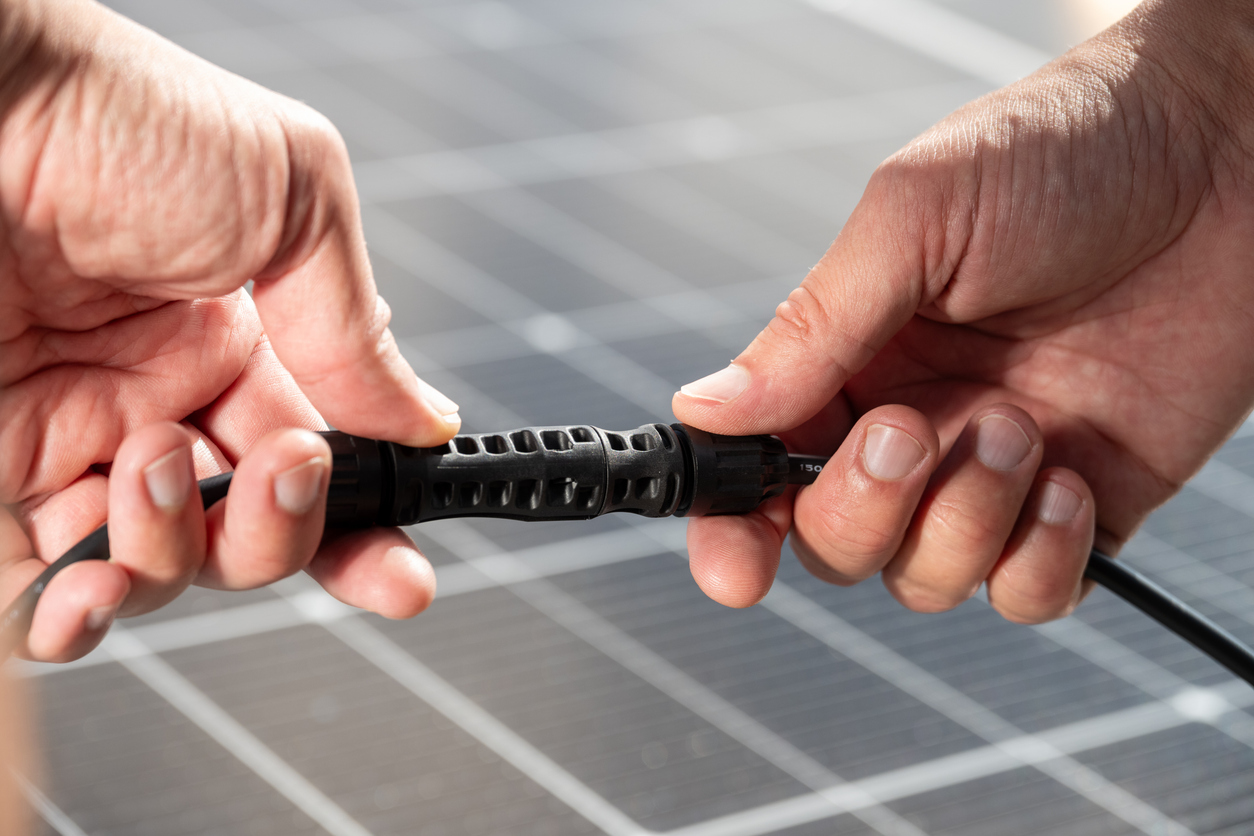
Renewable energy
Solar panels, connectors, junction boxes and enclosures built for outdoor life.
Explore
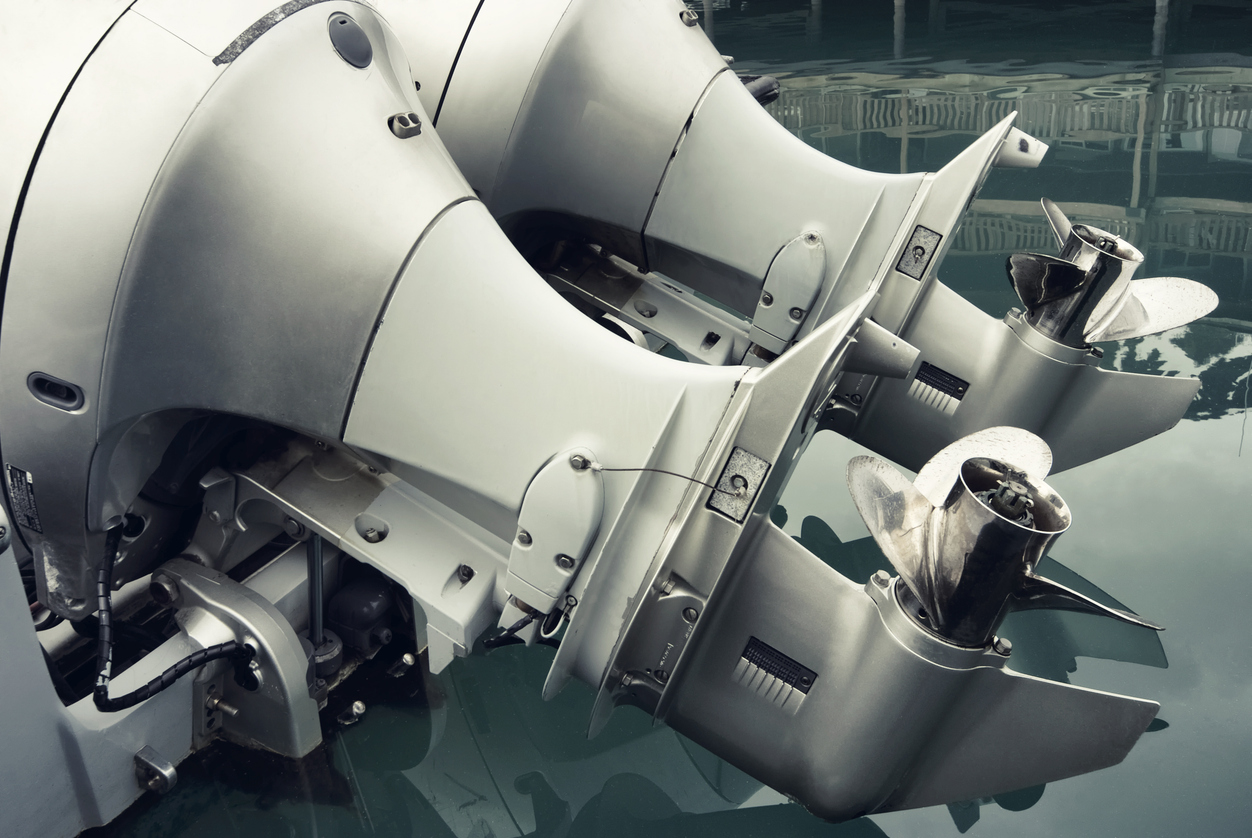
Marine & outdoor
Weatherable, impact-resistant parts for marine and exposed equipment.
Explore

Defense & security
Security glazing, face shields and protective equipment.
Explore
Material families that fit these industries
Click any family to view product lines, grades and downloadable datasheets.
LEXAN™ FR resins
Polycarbonate
Rail and transit glazing and panels meeting fire standards.
Working in one of these industries? Talk to a specialist.
Regional application engineers cover rail, aerospace, water and energy, from standards and compliance through material selection.